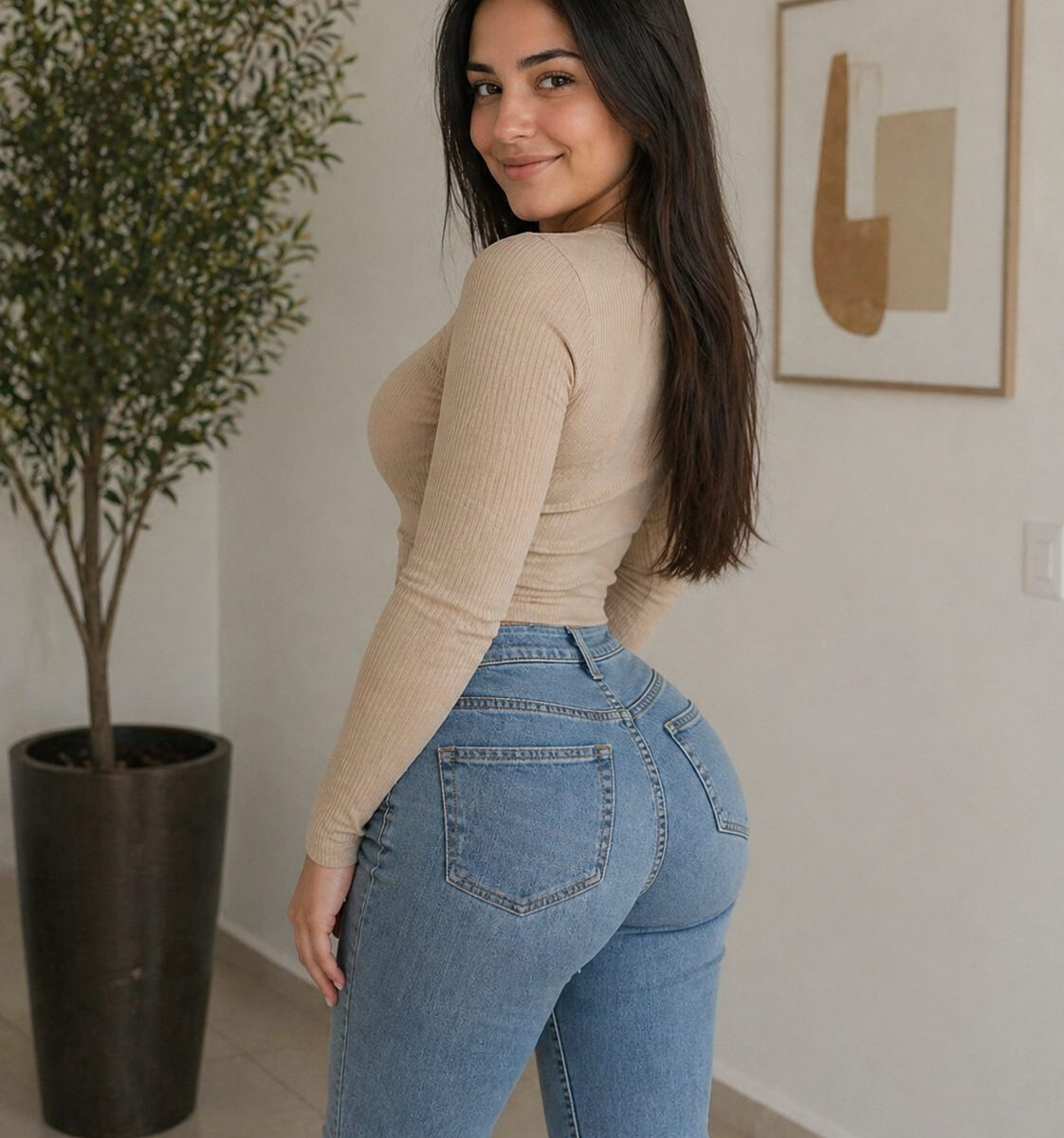
A BBL isn’t simply “putting fat into glutes.” It’s a total contour operation: waist, lower back and hips are sculpted at the same time, because a curve doesn’t begin in the glute — it’s born from contrast.
Quick takeaways
- BBL pairs liposuction from donor zones with autologous fat grafting into the gluteal subcutaneous tissue.
- The current safe protocol mandates subcutaneous injection only, never intramuscular, ideally with ultrasound guidance.
- Roughly 60–75% of grafted fat survives long-term; the rest is reabsorbed in the first three months.
- Sleeping prone and wearing the right compression garment for the first 14 days are as critical as the surgical technique.
Why modern BBL is safer than five years ago
Between 2018 and 2020, multiple international plastic-surgery societies issued safety alerts about BBL mortality, driven primarily by fat embolism when fat was injected into the gluteal muscle. The evidence led to a clear rule: fat is not injected into muscle, only into the subcutaneous plane. Today, board-certified surgeons use long, rigid cannulas, and many centers add real-time ultrasound to confirm depth. With this protocol, risk drops to levels comparable with any major elective surgery.
What happens during a BBL, step by step
- Liposuction of donor zones: abdomen, flanks, lower back and, if needed, thighs. These are the areas that create the waist and the contrast — they matter as much as the destination.
- Fat processing: aspirated fat is decanted or gently centrifuged to separate serum, damaged cells and oil, leaving only viable tissue.
- Grafting: with atraumatic cannulas, fat is deposited in small parcels across subcutaneous layers so each particle gets oxygen until it neovascularizes.
- Sculpting and closure: millimeter incisions, drains in donor sites, immediate compression garment.
BBL vs gluteal implants — which one is for you?
| BBL | Implants | |
|---|---|---|
| Look | More natural, soft to the touch | More apparent volume, different firmness |
| Waist | Dramatic improvement (lipo included) | No waist effect |
| Durability | Permanent over the % that survives | Replacement every 10–15 years |
| Recovery | More demanding (no sitting, no supine) | More painful first days, similar restrictions |
| Best fit | Patients with enough donor fat | Very lean patients without donor fat |
Are you a candidate?
BBL works best on patients with stable weight, good skin quality and enough donor adipose tissue. If you’re very lean and donor reserves are scarce, results will be modest and an implant may be a better fit. With significant gluteal sagging, a gluteoplasty with lift should be evaluated first.
Red flagIf a surgeon offers a “bargain” BBL in a non-licensed facility without anesthesia clearance, walk away. The economics here are not negotiable — it costs lives.
Recovery — the part most patients underestimate
BBL recovery is unique because you can’t sit directly on your glutes for 2–3 weeks. You also can’t sleep on your back. The reason: protect grafted cells until they form their own blood supply.
- Days 1–3: prone or lateral decubitus rest, pain control, active drains.
- Weeks 1–2: short, frequent walks, daily lymphatic drainage massages, garment 24/7, BBL pillow to sit on the thighs.
- Weeks 3–4: return to office work with breaks; sit normally on a protective pillow.
- Month 2: light cardio.
- Month 3: reintroduce strength training; result stabilized at 70–80%.
- Month 6: final result.
Common myths
“If I gain weight, all of it goes to my glutes”
Not exactly. Grafted cells that survive behave like cells from the donor area, so they can grow as you gain weight at the donor site. But overall fat distribution still changes more broadly across your body.
“BBL always looks exaggerated”
Only if you ask for that look. Discreet BBLs (moderate projection, teardrop shape) are indistinguishable from a fit, athletic body. Aesthetic trends are moving toward natural results, not extreme volume.
Approximate pricing in Colombia
A complete BBL (lipo of 3–4 areas + gluteal grafting) in licensed Bogotá clinics typically costs USD 4,500–7,000. Cities like Medellín, Cali, Barranquilla and Bucaramanga work in similar ranges. Most centers offer financing through partnered lenders.
Frequently asked questions
How long do BBL results last?
The percentage of fat that survives (60–75%) is permanent. That fat can grow or shrink with weight changes, but the cells don’t disappear.
Why can’t I sit after a BBL?
To avoid compressing grafted cells while they revascularize. Sitting compresses the new vessels and reduces graft survival.
Can I get a BBL if I’m very lean?
It depends on how much donor fat is available. If too little, implants may be a better choice. The donor reserves are quantified in the consultation.
What preoperative tests are required?
CBC, coagulation, glucose, metabolic panel, ECG depending on age and anesthesia clearance. Patients with risk factors get additional studies.
Are there serious risks?
The most feared was fat embolism from intramuscular injection. With strict subcutaneous-only protocols and ultrasound guidance, this risk has dropped dramatically — but no major surgery is risk-free.
Is your BBL safe? Technique decides it, not price
In your consultation we’ll explain exactly which planes we infiltrate, how much graft survival we expect and why our protocol differs from what was standard five years ago.