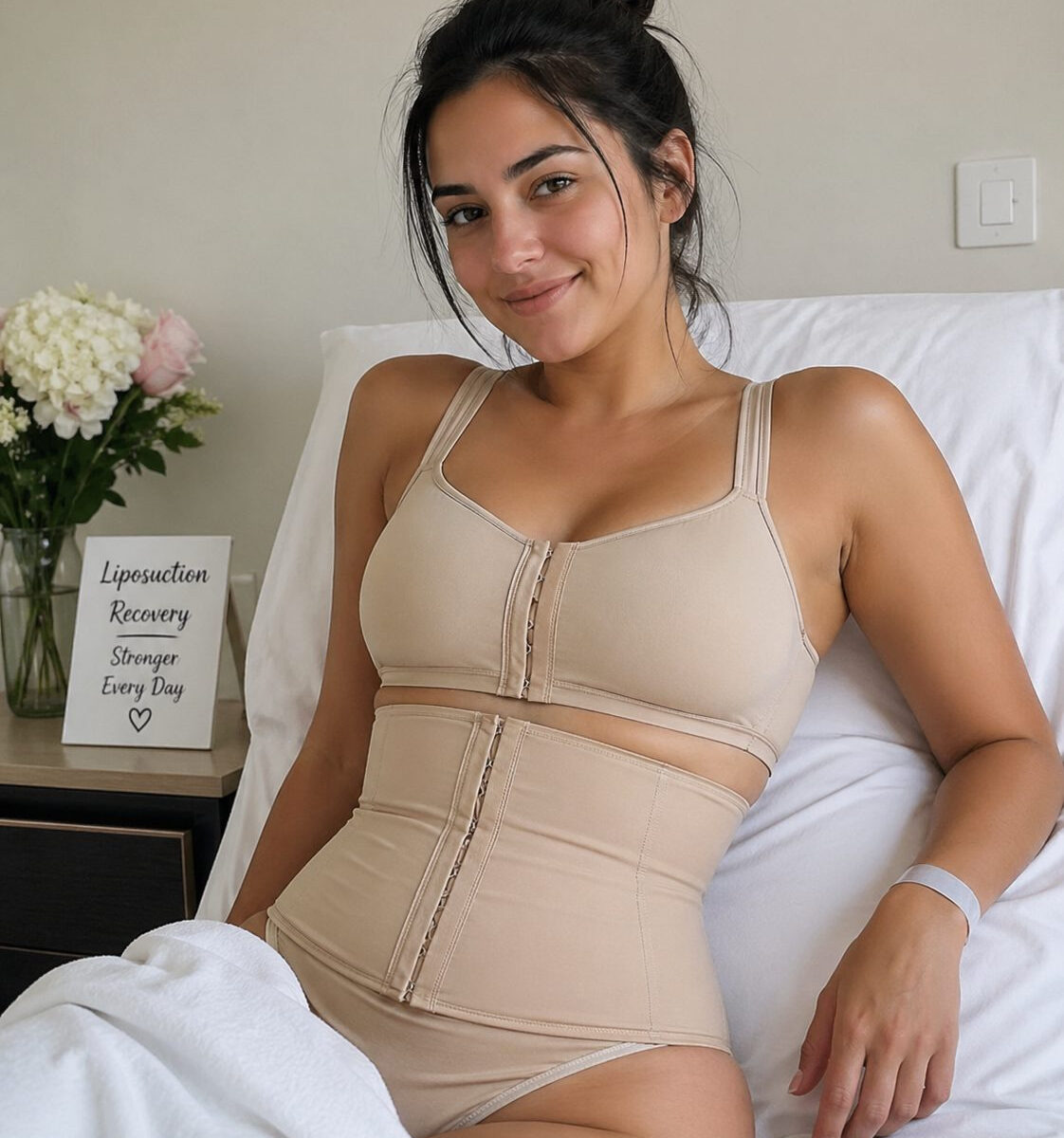
Liposuction is not a weight-loss surgery. It’s a sculpting surgery. Once that one sentence makes sense, everything else — technique, expectations, recovery — falls into place.
Quick takeaways
- Liposuction removes localized fat deposits that diet and exercise won’t shift — not overall body weight.
- Modern techniques (VASER, laser, HD lipo) allow defined contours, but each demands a surgeon who is genuinely experienced in that tool.
- Removed fat cells don’t grow back; the cells that remain can still expand if you gain significant weight.
- A serious recovery takes 4–6 weeks. The final result becomes visible between months 3 and 6.
What liposuction actually does
Through 3–5 mm incisions, the surgeon enters the subcutaneous fat (the layer between skin and muscle), infiltrates a fluid that reduces bleeding and loosens fat cells, then aspirates the fat with thin cannulas. The goal isn’t volume removal — it’s redrawing the contour while respecting the body’s natural lines.
That’s why an honest surgeon doesn’t think in liters; they think in zones. A slim patient with prominent flanks benefits as much as someone with more abdominal volume: what matters is the gap between what you see and what you and the surgeon agree looks balanced.
The techniques on offer today
Tumescent liposuction (the foundation)
The base of every modern technique: the area is infiltrated with saline, anesthetic and a vasoconstrictor, and fat is suctioned through cannulas. Still highly effective for moderate-volume cases and large areas like abdomen and thighs. Mature learning curve, more accessible price point.
VASER (ultrasound-assisted)
Ultrasound selectively emulsifies fat without damaging blood vessels or nerves. It’s the technique of choice for high-definition liposuction — abs etching, pec definition in male patients, the gluteal fold or a cinched waist. It allows working the superficial layer with less trauma.
Laser-assisted lipo
A thin laser fiber heats fat to liquefy it and stimulates mild skin tightening along the way. Useful in smaller areas (chin, neck, arms) or with moderate skin laxity. It is not a replacement for a lift if the skin is significantly loose.
High-definition lipo (HD)
Less a single technique, more a philosophy. It combines VASER (and sometimes laser) to remove deep fat and to selectively work the superficial fat around muscle insertions. In athletic patients the results are striking; in patients with low muscle mass, “etching” tends to look unnatural.
Most-requested areas
- Abdomen and flanks: the most popular pairing, often combined with waist lipo-sculpting.
- Upper and lower back: erases the bra-strap roll and softens the side profile.
- Inner and outer thighs: requires conservative technique to avoid contour irregularities.
- Arms: works well with good skin quality. With significant laxity, brachioplasty is the answer.
- Chin and neck: fast recovery, results visible from week 4.
Common mythLipo doesn’t treat cellulite. Cellulite is caused by fibrous bands tugging at the skin and is addressed with different techniques (subcision, focused energy devices). An honest surgeon will tell you so up front.
Are you a candidate? Five honest questions
- Do I have localized fat that doesn’t respond to diet and training? If yes, you’re potentially a candidate.
- Is my weight stable? Ideally within 10% of your target weight for several months.
- Is my skin elasticity reasonable? Skin retracts after the surgery; if it’s already loose, the contour can look uneven.
- Are my expectations realistic? You won’t get a different body — you’ll get a better version of the one you have.
- Am I medically fit? Anemia, uncontrolled hypertension, active smoking and clotting disorders all need clearance first.
How the surgery is planned
A serious consultation runs 45–60 minutes. It includes history, physical exam, simulated marking and a frank conversation about goals. The surgeon should request full preoperative labs (CBC, coagulation panel, metabolic panel, ECG depending on age, anesthesia clearance) and walk you through a written informed consent that lists the risks.
If a surgeon offers same-day surgery without these steps, walk away.
Surgery day
Performed in a licensed operating room with an anesthesiologist. Duration: 2–5 hours depending on areas and technique. Most patients stay one night for observation; extensive HD lipo cases or combined BBL may need two.
Recovery, week by week
| Period | What to expect |
|---|---|
| Day 1–3 | Drainage from incisions, moderate discomfort, 24/7 compression garment, lymphatic drainage massages start. |
| Week 1 | Significant swelling, bruising. Light home activity, short walks. |
| Week 2–3 | Return to office work. Garment and drainage continue. |
| Week 4–6 | Gradual return to gentle cardio. |
| Month 3 | 70–80% of the result is visible. |
| Month 6 | Final result. |
Risks worth knowing
Like any surgery, lipo carries risk. The most common are seromas (fluid pockets), contour irregularities and sensation changes that usually resolve over months. Serious events — thromboembolism, fat embolism, visceral perforation — are rare in the hands of a board-certified surgeon operating in a licensed facility, but they exist. That’s why team selection matters more than price.
Approximate pricing in Colombia
Prices vary by city, technique and volume. Reference range for traditional lipo of three areas in licensed Bogotá clinics: USD 2,200–3,800. HD VASER lipo: USD 3,500–6,000. Cities like Medellín, Cali, Barranquilla and Bucaramanga work in similar bands. Be wary of offers far below market; the difference usually shows up in the operating room or in the team.
For international patientsBogotá is a major medical-travel hub. Plan a minimum 10–14 day stay (some clinics recommend 21 days). Reputable centers coordinate accommodation, in-suite recovery nursing and post-op massage packages.
Frequently asked questions
How much fat can be safely removed?
The international standard considers up to 5 liters of pure fat per session safe under optimal conditions. Larger volumes should be staged or performed at centers with intensive-care backup.
Will the fat come back?
The cells that were removed will not return. Remaining cells in the body can grow if you gain weight, and fat can redistribute toward untreated areas. Maintaining your weight is key.
When can I exercise again?
Walking from day 2. Light cardio at week 4. Strength training and weights from week 6–8 with surgeon clearance.
What supplements should I take before surgery?
Iron if anemic, vitamin C and additional protein for healing. Stop high-dose vitamin E, omega-3 and herbal supplements (ginkgo, garlic, ginseng) two weeks before to reduce bleeding risk.
Can lipo be combined with BBL?
Yes — and it’s the most common pairing: aspirated fat is processed and grafted into the gluteal area. The surgical team must follow current safety protocols specifically for BBL.
An honest assessment before any decision
In a 45-minute consultation we evaluate your case, simulate the result and tell you whether liposuction is genuinely the right surgery for you — without sales pressure.